What Are the Differences Between Inverter and Generator Systems
CONTACT US
Table of Contents
- Introduction
- What Is a Traditional Generator?
- What Is an Inverter Generator?
- Power Output and Efficiency Differences
- Noise Levels and Portability
- Fuel Consumption and Environmental Considerations
- Common Uses and Suitability
- Safety and Maintenance Considerations
- Conclusion
- Book a Generator Consultation
- Frequently Asked Questions
Key Takeaways
- Inverter generators provide cleaner, more stable power for sensitive electronics.
- Traditional generators generally offer higher raw power output for larger loads.
- Noise levels and fuel efficiency vary significantly between inverter and conventional generators.
- Choice depends on intended use, portability, and power requirements.
- Understanding limitations helps prevent misuse and safety hazards.
Introduction
Inverter and traditional
generator systems serve the same basic purpose: they provide electrical power when utility supply is unavailable. The difference lies in how the electricity is produced, regulated, and delivered. Understanding these differences is important for homeowners, contractors, and outdoor enthusiasts who need reliable, safe, and efficient power sources. This guide explains the technical distinctions, practical applications, and operational considerations, helping readers make informed decisions about their power needs.
What Is a Traditional Generator?
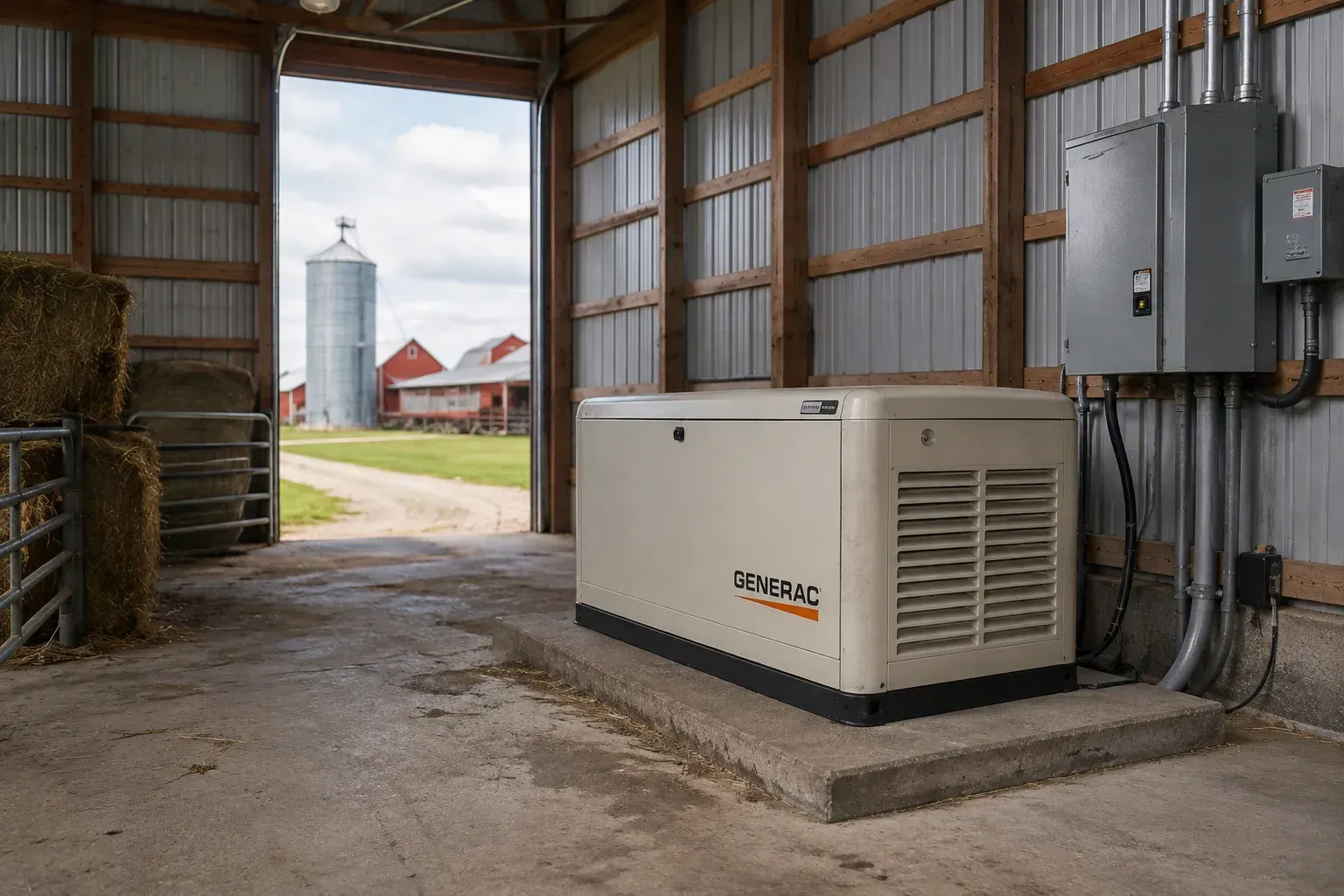
A traditional generator, often called a conventional or standby generator, converts mechanical energy into electrical energy through an engine-driven alternator. Key features include:
- AC power output: Typically produces alternating current (AC) at a fixed voltage and frequency.
- Consistent operation for large loads: Suitable for appliances, tools, and larger electrical systems.
- Simpler technology: Fewer electronic components, making repairs straightforward in some cases.
Limitations include higher noise levels, less fuel efficiency under partial load, and potential voltage fluctuations that can affect sensitive electronics.
What Is an Inverter Generator?
An inverter generator also produces electricity using an engine, but it incorporates electronic circuitry to convert AC power to direct current (DC) and back to clean AC. Key characteristics include:
- Stable power output: Provides smoother voltage and frequency suitable for sensitive electronics.
- Variable engine speed: Adjusts based on power demand, improving fuel efficiency and reducing emissions.
- Compact design: Often lighter and quieter than traditional generators, with portability as a common advantage.
While inverter generators excel in efficiency and safety for small devices, they may provide less raw power compared to larger conventional models.
Power Output and Efficiency Differences
Understanding power output is central to choosing the right system:
- Traditional Generators: Deliver higher wattage, ideal for running multiple heavy appliances simultaneously. They operate at full speed regardless of load, which can lead to wasted fuel during light use.
- Inverter Generators: Adjust engine speed to match demand, offering greater fuel efficiency. Power output is often lower but more precise, suitable for computers, LED lighting, and sensitive equipment.
Efficiency differences are most noticeable during intermittent use or when powering small loads for extended periods.
Noise Levels and Portability
Noise can affect usability in residential, recreational, or worksite settings:
- Traditional Generators: Typically louder due to constant engine speed and fewer noise-dampening features.
- Inverter Generators: Designed for quieter operation, often with insulated enclosures and variable engine speeds.
Portability also varies:
- Inverter models are compact, lighter, and easier to transport.
- Traditional generators are heavier and more stationary, often requiring a dedicated installation area.
Fuel Consumption and Environmental Considerations
Fuel efficiency and emissions depend on generator design:
- Traditional Generators: Continuous full-speed operation consumes more fuel and emits more pollutants, especially when lightly loaded.
- Inverter Generators: Variable speed operation reduces fuel consumption and emissions. Some models meet stricter environmental standards, making them suitable for areas with noise or air-quality restrictions.
Choosing the right fuel type and monitoring consumption can reduce operational costs and environmental impact.
Common Uses and Suitability
Selecting between inverter and traditional generators depends on application:
- Home Backup: Traditional generators may power an entire household, but inverter generators protect sensitive electronics.
- Outdoor Recreation: Inverter generators are quieter and portable, ideal for camping, RVs, or tailgating.
- Job Sites: Traditional generators can supply high-wattage tools, while inverter models are suitable for small equipment and charging devices.
Understanding the intended use ensures safety, efficiency, and proper equipment lifespan.
Safety and Maintenance Considerations
All generator systems require safe operation and regular maintenance:
- Electrical Safety: Avoid overloading and follow manufacturer guidelines. Inverter generators reduce voltage fluctuation risks for sensitive devices.
- Fuel Storage: Store fuel safely, away from heat sources, and follow local regulations.
- Maintenance: Oil changes, air filter cleaning, and periodic inspection are essential. Inverter generators may require additional attention to electronic components.
- Operational Environment: Proper ventilation is required to prevent carbon monoxide hazards.
Awareness of safety protocols helps prevent accidents and ensures reliable performance.
Conclusion
Inverter and traditional generator systems provide electrical power through distinct technologies. Inverter generators offer cleaner, more efficient, and quieter power suited for sensitive electronics and portable applications. Traditional generators provide higher raw power for heavy loads but can be noisier and less fuel-efficient.
Choosing the appropriate system involves evaluating power requirements, operational environment, portability, and safety considerations. Understanding these factors allows users to make informed, responsible decisions without relying on assumptions or exaggerated claims.
Book a Generator Consultation
If you are considering a generator system for home, work, or recreational use, Whit's Electric LLC can provide guidance and information. Our team in Harpers Ferry, IA, offers professional insights to help you understand inverter vs generator options, supporting safe and informed decision-making. Contact us via email at wexford1332@gmail.com or call (563) 419-8218 for consultation and advice.
Frequently Asked Questions
Can I use an inverter generator for my entire home?
Inverter generators are typically smaller and designed for selective loads. Full-home backup may require multiple units or a traditional generator.
Are inverter generators more expensive to maintain?
Maintenance is comparable but may include additional attention to electronic components. Oil changes and filter cleaning are still required.
Is noise a significant difference between the two types?
Yes. Inverter generators operate more quietly due to variable engine speed and insulation, while traditional generators usually produce more noise.
How do fuel efficiency and emissions compare?
Inverter generators adjust engine speed to match load, reducing fuel use and emissions. Traditional generators often run at full speed, consuming more fuel.
Can sensitive electronics be damaged by traditional generators?
Voltage fluctuations from traditional generators can affect sensitive devices. Inverter generators provide more stable, regulated power suitable for electronics.
Related Posts