How Does a Generator Work and What Powers Your Home During an Outage
CONTACT US
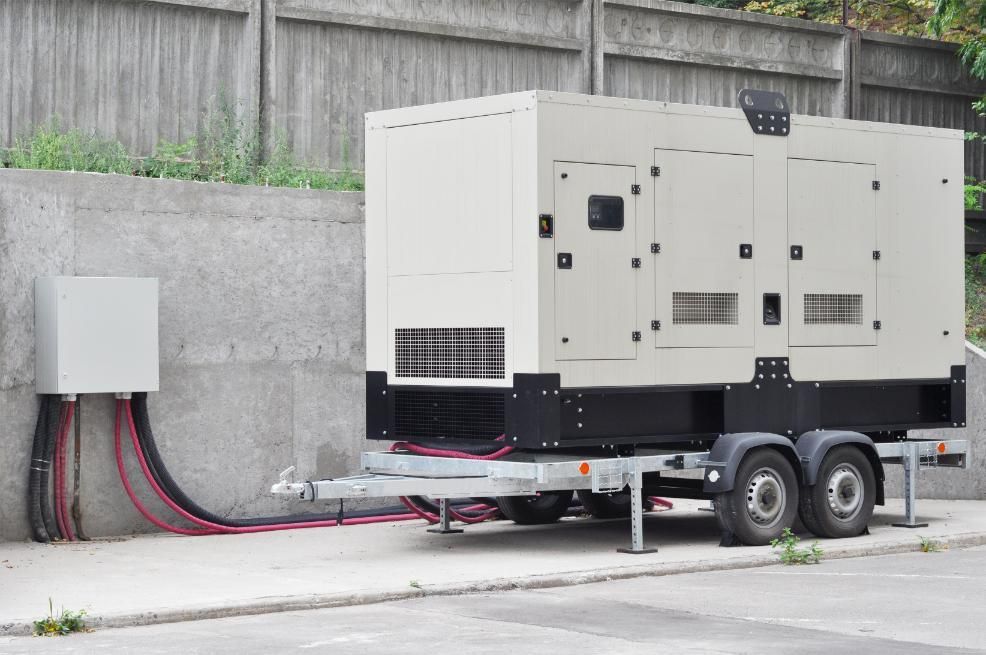
Table of Contents
- Introduction
- What Is a Generator?
- How Does a Generator Work?
- How Does a Generator Make Electricity?
- The Role of Fuel and the Engine
- Essential Components of a Home Generator System
- Engine
- Alternator
- Fuel System
- Voltage Regulator
- Cooling and Exhaust Systems
- What Powers Your Home During an Outage?
- Automatic Transfer Switch (ATS)
- Connection to the Electrical Panel
- Types of Generators for Residential Use
- Portable Generators
- Standby Generators
- Safety, Maintenance, and Limitations
- Conclusion
- Book a Generator Installation Consultation
- Frequently Asked Questions
Key Takeaways
- A generator converts mechanical energy into electrical energy through electromagnetic induction.
- Understanding how does a generator work helps homeowners make informed decisions about backup power.
- An automatic transfer switch safely connects generator power to your home’s electrical panel.
- Generators can power essential systems during outages, including refrigeration, heating, and well pumps.
- Proper installation and maintenance are critical for safety and long-term reliability.
Introduction
A generator works by converting fuel into mechanical energy and then transforming that energy into electricity to power your home during an outage. When utility power fails, a properly installed backup system can supply electricity to essential circuits, helping maintain safety and functionality.
For homeowners in Harpers Ferry, IA and surrounding rural areas, understanding backup power systems is especially important. Many properties rely on well pumps, agricultural equipment, or electrically powered heating systems. Extended outages can disrupt daily life and essential operations.
At Whit's Electric LLC, we work with residential and agricultural clients to install and service electrical systems, including generator connections. In this guide, we explain how does a generator work, what powers your home during an outage, and what components are involved in a safe and compliant installation.
What Is a Generator?
To understand what is a generator, it helps to think of it as a machine that produces electricity when utility power is unavailable.
A generator does not “create” electricity from nothing. Instead, it converts one form of energy into another. In most residential systems, fuel such as gasoline, diesel, natural gas, or propane powers an engine. That engine drives an alternator, which produces electrical current.
This process allows homes to operate essential systems even when the main power grid is down.
How Does a Generator Work?
At its core, the answer to how does a generator work lies in physics. Generators operate using the principle of electromagnetic induction.
How Does a Generator Make Electricity?
To understand how does a generator make electricity, we need to look at the alternator inside the unit.
When the engine turns, it rotates a component called a rotor within a magnetic field. This movement causes electrons to flow through conductors, generating electrical current. The electricity produced is typically alternating current (AC), which matches the type of power supplied by utility companies.
This generated power is then regulated and delivered to your home’s electrical system through a transfer mechanism.
The Role of Fuel and the Engine
Fuel powers the engine. The engine converts chemical energy from the fuel into mechanical motion. That motion spins the alternator.
Different generator models use different fuel types:
- Gasoline
- Diesel
- Propane
- Natural gas
Fuel choice affects runtime, storage considerations, and maintenance requirements. For rural properties in Harpers Ferry, IA, propane and diesel are common due to storage flexibility and availability.
Essential Components of a Home Generator System
A residential generator system includes several interconnected parts. Each component plays a specific role in safe and consistent power delivery.
Engine
The engine generates mechanical energy by burning fuel. Engine size determines how much electrical output the generator can produce.
Alternator
The alternator converts mechanical energy into electrical energy. It includes a rotor and stator that work together to generate current through electromagnetic induction.
Fuel System
The fuel system stores and delivers fuel to the engine. For standby systems, this may involve a permanent propane tank or natural gas line connection.
Voltage Regulator
The voltage regulator ensures that the electricity supplied to your home remains within safe limits. Without regulation, voltage fluctuations could damage appliances and electronics.
Cooling and Exhaust Systems
Generators generate heat during operation. Cooling systems prevent overheating, while exhaust systems safely expel combustion gases away from living spaces.
Each of these components must function properly for the generator to operate safely and efficiently.
What Powers Your Home During an Outage?
When a power outage occurs, your generator becomes the temporary power source for selected circuits in your home.
However, a generator cannot simply be plugged into an outlet to power the entire house. Safe operation requires proper transfer equipment and professional installation.
Automatic Transfer Switch (ATS)
An automatic transfer switch (ATS) detects when utility power is lost. It then disconnects your home from the grid and connects it to the generator. This process prevents backfeeding, which can endanger utility workers and damage equipment. Once grid power is restored, the ATS switches your home back to utility service.
Connection to the Electrical Panel
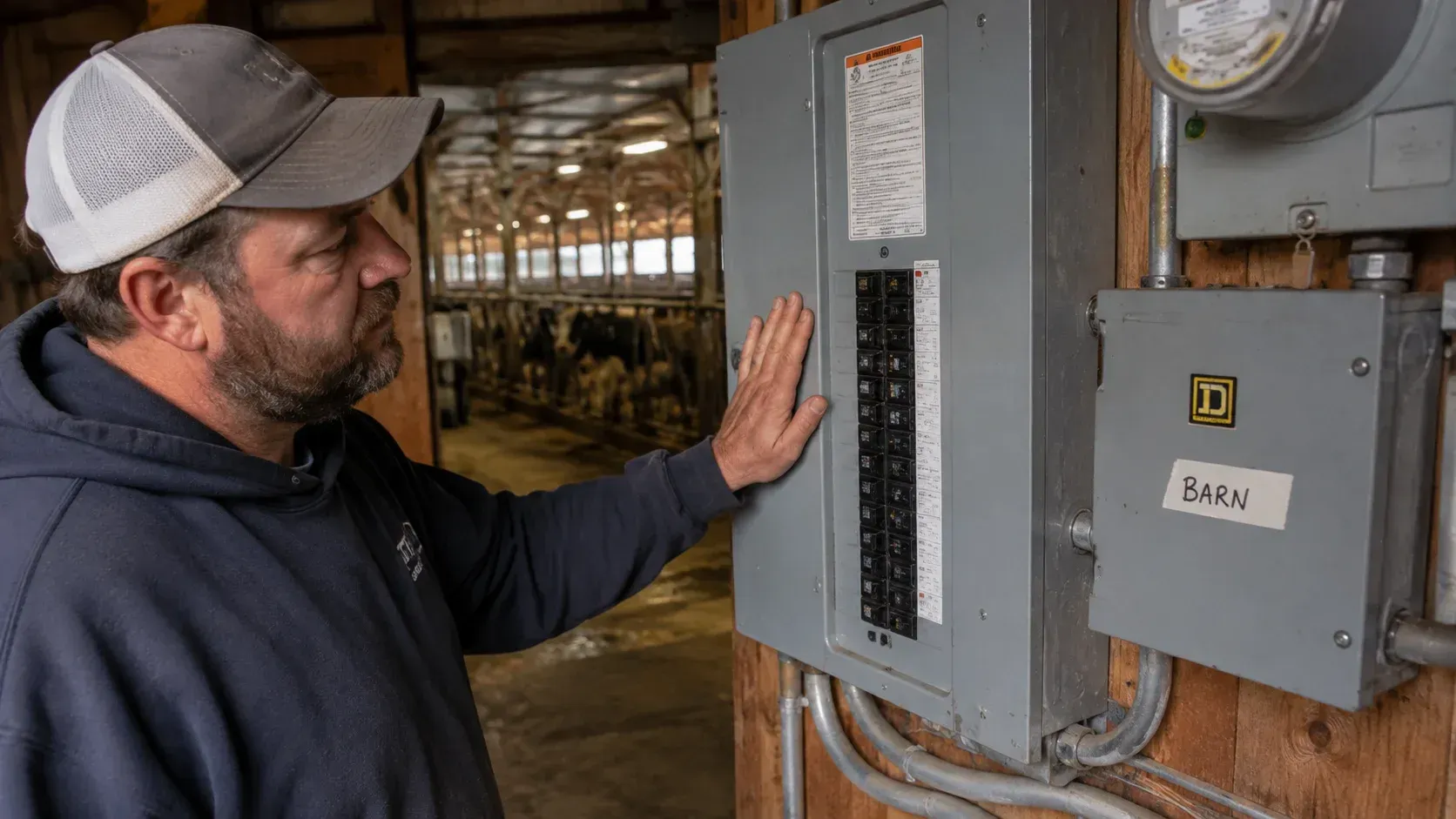
The generator feeds electricity into your main electrical panel or a dedicated subpanel.
Homeowners typically choose which circuits to power during an outage. Common critical loads include:
- Refrigerators and freezers
- Heating systems
- Well pumps
- Sump pumps
- Basic lighting
Understanding load capacity helps prevent overloading the generator.
Types of Generators for Residential Use
Homeowners generally choose between portable and standby systems based on their needs and budget.
Portable Generators
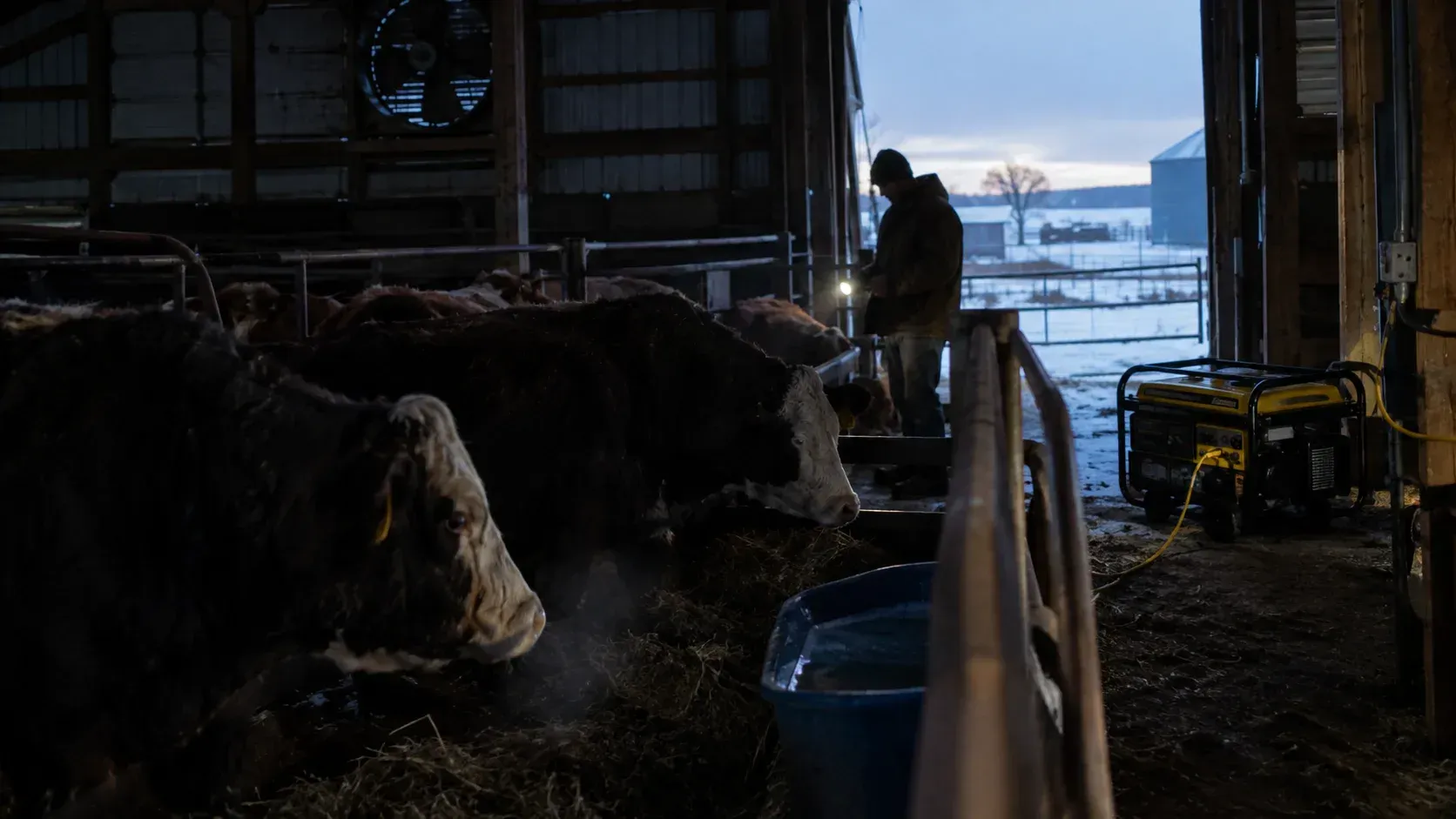
Portable generators are smaller, mobile units that require manual setup. They typically run on gasoline and connect to the home via a transfer switch or interlock device.
These systems are suitable for short outages and limited power needs. However, they require manual fueling and startup.
Standby Generators
Standby generators are permanently installed outside the home. They are connected directly to a fuel source and an automatic transfer switch.
When utility power fails, they start automatically. This option is often preferred for properties where consistent power is essential, including agricultural operations and homes with medical equipment.
Each system has advantages and limitations. The right choice depends on your power requirements, property layout, and fuel availability.
Safety, Maintenance, and Limitations
Generators provide backup power, but they require responsible operation.
Carbon monoxide exposure is a serious risk with portable generators. Units must always operate outdoors and away from windows and vents.
Routine maintenance is also essential. This may include:
- Oil changes
- Filter replacements
- Battery checks
- Periodic test runs
Generators also have load limits. Attempting to power more than the rated capacity can damage equipment or cause shutdowns.
We recommend consulting licensed electrical professionals to ensure compliance with local codes and proper load calculations.
Conclusion
Understanding how does a generator work helps homeowners make informed decisions about backup power. A generator converts fuel into mechanical energy, which is then transformed into electricity through electromagnetic induction. This electricity can power essential circuits during an outage when connected through a properly installed transfer switch.
Backup systems are not one-size-fits-all. Fuel type, load requirements, and installation standards all influence system design. By learning how generators function and what components are involved, homeowners can evaluate options with greater clarity and awareness.
Book a Generator Installation Consultation
If you are considering backup power for your home or agricultural property in Harpers Ferry, IA, we invite you to schedule a generator installation consultation with Whit's Electric LLC. We provide guidance on system sizing, code-compliant installation, and safe electrical integration. To discuss your property’s electrical needs. Send us an email at wexford1332@gmail.com or call us at (563) 419-8218 to discuss options.
Our goal is to provide clear information so you can make informed decisions about your backup power system.
Frequently Asked Questions
How does a generator work during a power outage?
When utility power fails, a generator starts and produces electricity by converting fuel into mechanical energy and then into electrical energy. A transfer switch safely directs that power into selected circuits in your home.
What is a generator used for in a residential setting?
A generator supplies temporary electricity during outages. It can power essential systems such as refrigeration, heating, lighting, and well pumps.
How does a generator make electricity without being connected to the grid?
A generator produces electricity internally through electromagnetic induction. It does not require the grid to generate power but must be properly connected to your home through a transfer switch.
Can a generator power an entire house?
Some standby generators are sized to power most or all household circuits. However, capacity depends on the generator’s output rating and the home’s total electrical load.
Do generators require regular maintenance?
Yes. Regular maintenance ensures safe operation and includes oil changes, inspections, and periodic system testing according to manufacturer guidelines.
Related Posts