What Is Electric Farm Equipment and How It Benefits Sustainable Farming
CONTACT US
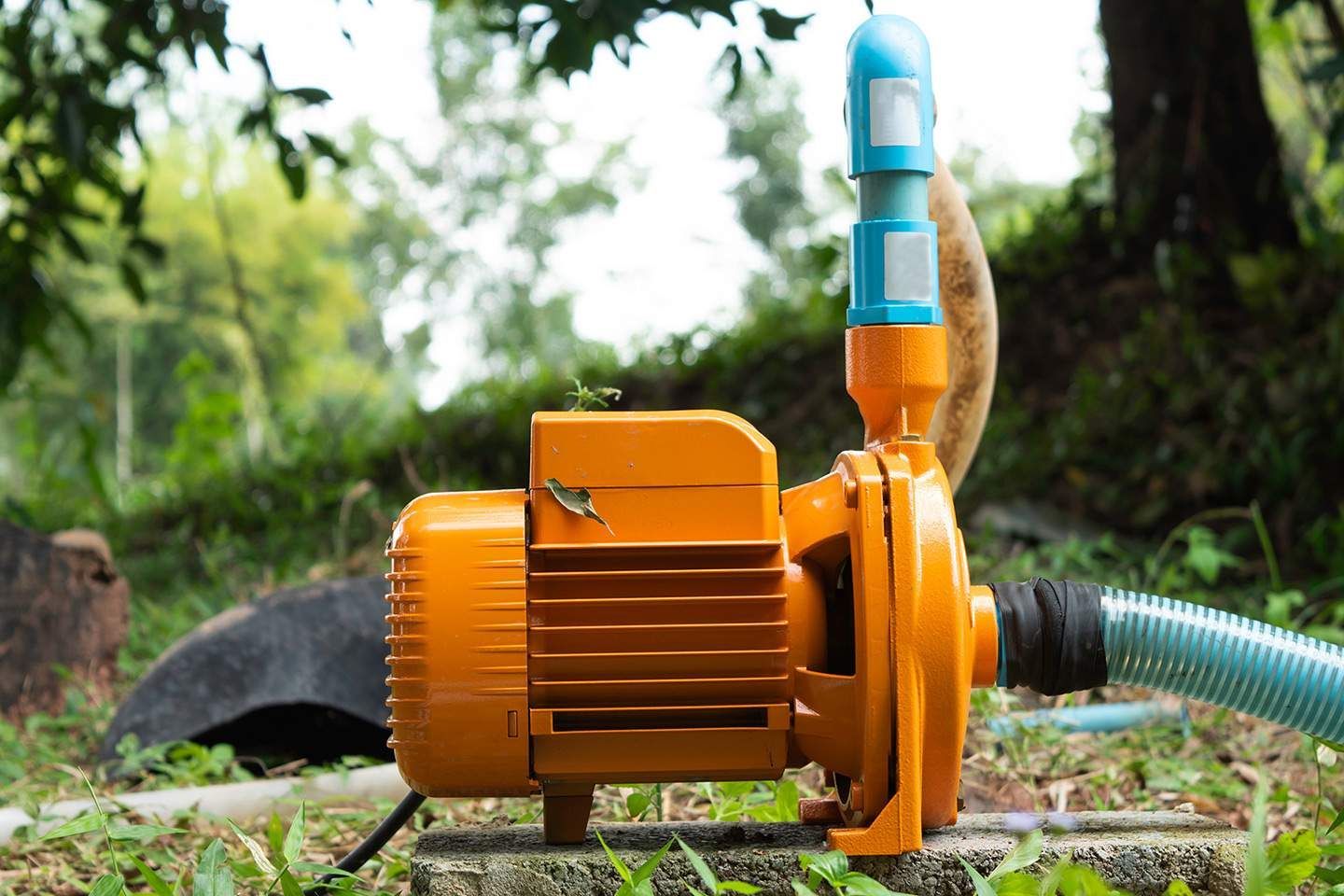
Table of Contents
- Introduction
- What Is Electric Farm Equipment?
- Types of Electric Farm Equipment
- Electric Tractors
- Electric Harvesters and Combines
- Electric Irrigation and Pumping Systems
- Electric Tools and Accessories
- Benefits of Electric Farm Equipment for Sustainable Farming
- Reduced Emissions
- Lower Operating Costs
- Quieter and Safer Operations
- Integration with Renewable Energy
- Considerations and Limitations
- Initial Investment and Infrastructure Needs
- Charging and Battery Management
- Maintenance and Lifespan
- Compatibility with Existing Farm Practices
- Farm Electrification and the Future of Agriculture
- Conclusion
- Book an Agricultural Electrical Service
- Frequently Asked Questions
Key Takeaways
- Electric farm equipment provides tools and machinery powered by electricity instead of fossil fuels.
- Sustainable farming benefits include reduced greenhouse gas emissions and improved operational efficiency.
- Integration with renewable energy sources and farm electrification supports long-term environmental and economic planning.
- Considerations include upfront costs, charging infrastructure, and battery management.
- Understanding the limitations and operational requirements helps farmers make informed decisions.
Introduction
Electric farm equipment refers to agricultural machinery that operates on electricity rather than traditional diesel or gasoline engines. By using electric power, these machines support more sustainable farming practices, helping farmers reduce emissions, manage energy costs, and work in quieter, more controlled environments. For farmers in Harpers Ferry, IA, understanding electric farm equipment and the process of farm electrification is essential for planning long-term operations and integrating renewable energy solutions.
At Whit’s Electric LLC, we provide insights and professional agriculture electrical services that help farmers safely transition to electric systems while improving efficiency and sustainability.
What Is Electric Farm Equipment?
Electric farm equipment encompasses a range of machinery powered by batteries, electric motors, or hybrid systems that reduce or eliminate reliance on fossil fuels. Unlike conventional equipment, which depends on diesel or gasoline, electric alternatives convert stored electrical energy into mechanical power for tasks like plowing, planting, harvesting, and irrigation. This category also includes equipment designed to integrate with renewable energy sources, such as solar panels or wind turbines, supporting more resilient farm infrastructure.
Farm electrification, or the process of transitioning farm operations from fuel-based to electric systems, requires evaluating current equipment, energy sources, and workflows to determine which electric solutions are feasible. Our agricultural electrical services help farmers plan and implement these transitions efficiently.
Types of Electric Farm Equipment
Electric Tractors
Electric tractors handle a variety of field operations, including tilling, planting, and towing. They operate on high-capacity batteries and can connect to renewable energy systems. While still evolving to match diesel tractor power, they provide a quieter and cleaner alternative for modern farms.
Electric Harvesters and Combines
Electric harvesters and combines reduce noise and vibration while maintaining efficiency. Smaller and medium-sized farms benefit from integrating these machines with automated systems and precision agriculture tools.
Electric Irrigation and Pumping Systems
Electric pumps reduce fuel dependence and simplify energy management. Paired with solar panels, they create off-grid water management solutions for sustainable farms. Check out our agriculture electrical services for system planning and installation.
Electric Tools and Accessories
Smaller equipment, such as electric sprayers, tillers, and pruning tools, offer operational flexibility and quieter performance—ideal for greenhouses, orchards, and sensitive environments.
Benefits of Electric Farm Equipment for Sustainable Farming
Reduced Emissions
Switching to electric machinery lowers greenhouse gas emissions. When paired with renewable energy, farms can significantly reduce their carbon footprint.
Lower Operating Costs
Electric equipment typically has fewer moving parts, reducing maintenance needs. Electricity pricing is often more predictable than fuel, helping farmers stabilize operating budgets.
Quieter and Safer Operations
Electric motors operate quietly, reducing noise pollution and creating safer environments for workers and neighbors.
Integration with Renewable Energy
Charging electric machinery with renewable sources like solar or wind supports sustainable farming equipment goals and can offset energy costs over time. Learn more about integrating these systems through our agricultural electrical services.
Considerations and Limitations
Initial Investment and Infrastructure Needs
Electric equipment often has higher upfront costs than conventional machinery. Planning for charging stations, electrical connections, and battery management is critical.
Charging and Battery Management
Battery life and charging schedules must be monitored to minimize downtime and extend longevity.
Maintenance and Lifespan
While motors need less maintenance, battery and electronic systems require specific care.
Compatibility with Existing Farm Practices
Assessing how electric equipment fits with current field layouts and implements is key to smooth adoption.
Farm Electrification and the Future of Agriculture
Farm electrification is part of a gradual shift toward cleaner, more efficient, and potentially automated operations. Farms in Harpers Ferry and nearby areas can adopt electric machinery alongside precision agriculture, renewable energy integration, and data-driven management systems. The focus is on careful adoption that balances cost, efficiency, and environmental responsibility.
Our team at Whit’s Electric LLC provides guidance and solutions for this transition, helping farms modernize while supporting sustainable farming equipment adoption.
Conclusion
Electric farm equipment offers opportunities to reduce emissions, manage costs, and support sustainable farming. By understanding available machinery, benefits, and considerations, farmers can make informed decisions to integrate electric solutions effectively. Combining thoughtful planning with renewable energy systems ensures that farm electrification aligns with long-term sustainability and productivity goals.
Book an Agricultural Electrical Service
For farmers exploring electric farm equipment and farm electrification, Whit’s Electric LLC provides professional electrical solutions tailored to agricultural operations.
Send us an email at wexford1332@gmail.com or call (563) 419-8218 to learn how we can help implement sustainable farming equipment and reliable electric systems on your farm.
Frequently Asked Questions
What is the difference between electric and conventional farm equipment?
Electric farm equipment uses electricity stored in batteries or supplied by a grid or renewable source, whereas conventional equipment relies on diesel or gasoline engines.
Can electric tractors handle large-scale farming tasks?
Electric tractors are increasingly capable, but their performance depends on battery capacity and power requirements. Large-scale operations may require hybrid solutions or phased adoption.
How long do batteries last in electric farm equipment?
Battery lifespan varies by manufacturer, usage patterns, and maintenance. Typical life spans range from several hundred to over a thousand charge cycles.
Can electric farm equipment be charged using renewable energy?
Yes, pairing electric equipment with solar panels or wind turbines is possible and can reduce dependency on the electrical grid while supporting sustainable practices.
Are there maintenance differences between electric and fuel-powered machinery?
Electric equipment has fewer moving parts, which can lower routine maintenance needs, but battery systems and electronic components require monitoring and proper care.
Is electric farm equipment suitable for all types of soil and terrain?
Some electric machinery may have limitations in heavy or uneven terrain. Assessing field conditions and selecting appropriate models is essential.
What considerations are important before transitioning to electric farm equipment?
Initial investment, charging infrastructure, compatibility with existing equipment, and operational workflow adjustments are key factors to consider before adopting electric machinery.
Related Posts