Can a Power Outage in Winter Actually Kill Livestock Faster Than One in Summer?
CONTACT US
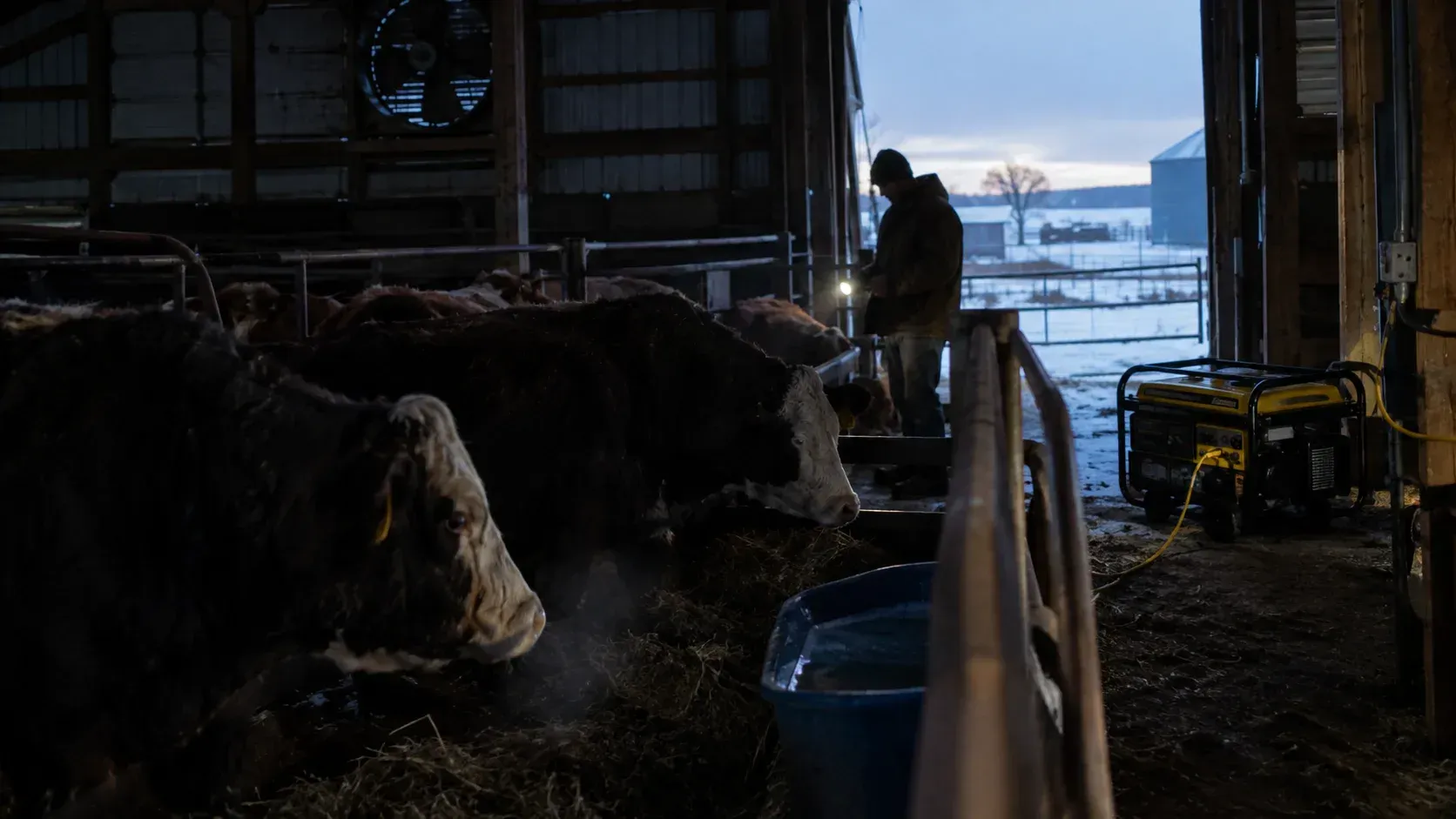
Table of Contents
- The Short Answer
- How Winter Outages Threaten Livestock
- How Summer Outages Threaten Livestock
- Which Season Is Actually More Dangerous?
- Why the Answer Depends on Your Animals and Setup
- How to Reduce the Risk in Either Season
- Common Misunderstandings
- What Typical Online Advice Overlooks
- Conclusion
Key Takeaways
- Whether a winter or summer power outage harms livestock faster depends on the animals, their housing, and local conditions, so there is no single answer that fits every farm.
- In summer, the danger is often faster for confined animals, because loss of ventilation can cause heat stress within a short time on a hot day.
- In winter, the danger builds through loss of heat for young animals, frozen water, and failed ventilation, and it can turn serious over hours rather than minutes.
- The most vulnerable animals in both seasons are the young, the confined, and those in buildings that depend entirely on powered systems.
- Backup power and a basic outage plan reduce the risk in both seasons, which matters because outages are hard to predict.
Introduction
A power outage can harm livestock quickly in both winter and summer, but which season acts faster depends on the animals and their housing rather than the calendar alone. In many confinement settings, summer heat can become life-threatening within a short time once ventilation stops, while winter tends to build danger over hours through lost heat, frozen water, and poor air quality. Farms that depend on reliable agricultural and electrical services to keep barns running should understand both scenarios, because the right preparation is different for each.
This matters because assuming one season is "the dangerous one" can leave a farm underprepared for the other. The goal here is not to pick a scary winner but to explain honestly how each season threatens animals, which animals are most at risk, and how to reduce that risk. This article walks through winter and summer outage dangers, compares them fairly, and lays out practical preparation that works year-round.
The Short Answer
Direct answer: Neither season is universally deadlier. Summer outages can cause harm faster in hot, enclosed buildings where ventilation failure leads to heat stress in a short time. Winter outages tend to cause harm over a longer window, through loss of heat for young animals, frozen water sources, and failed air exchange. The faster threat depends on your animals, your housing, and the weather at the time.
The honest comparison is about speed and mechanism, not a simple ranking. A confinement hog barn on a 95-degree afternoon faces a rapid heat problem. A farrowing room full of newborn piglets on a subzero night faces a serious cold and water problem that unfolds more gradually but is no less real.
How Winter Outages Threaten Livestock
A winter farm power outage puts animals at risk through several connected failures. Understanding each helps explain why winter danger tends to build over hours.
Loss of Supplemental Heat
Young animals depend on heat lamps and furnace blowers to stay warm. Newborn piglets, calves, and chicks have little ability to regulate their own temperature, and losing heat on a cold night can lead to cold stress fairly quickly for the most vulnerable.
Frozen Water Sources
Electric waterers and well pumps stop during an outage, and in subzero weather, water lines and tanks can freeze. Livestock can go without feed longer than they can go without water, so a frozen or failed water supply becomes a problem that compounds the longer the outage lasts.
Ventilation Still Matters in Winter
It is easy to assume ventilation is only a summer concern, but enclosed winter barns still need air exchange to control moisture and ammonia. When fans stop, humidity and gases build up, which stresses the respiratory systems of confined animals. Proper agricultural ventilation equipment is designed around continuous operation, and an outage interrupts that.
Longer Outages Are Common in Winter
Ice and wind bring down rural lines, and winter restoration can take longer. A longer outage means more time for cold, thirst, and poor air to take a toll, which is why winter risk is often about duration.
How Summer Outages Threaten Livestock
Summer flips the main threat from cold to heat, and in enclosed buildings that threat can arrive fast.
Rapid Heat Buildup in Confinement
Enclosed hog and poultry barns rely on powered ventilation to move heat out. On a hot day, when the fans stop, the temperature inside can climb quickly. Animals generate body heat too, so a full, enclosed barn can become dangerously hot in a relatively short time.
Heat Stress and Humidity
Heat combined with humidity is harder on animals than heat alone, because it limits their ability to shed heat. Species like poultry and swine are especially sensitive, and heat stress can become life-threatening faster than many owners expect on the worst days.
Water Demand Rises
In heat, animals drink more, and a pump outage that stops water delivery compounds the stress. The combination of rising temperature and no water is a serious one.
Why Summer Can Act Faster
The reason summer outages can harm confined animals faster is that heat has no gradual buffer in a sealed building with no airflow. Where winter danger often builds over hours, a ventilation failure on a hot afternoon can create a crisis in a much shorter window. Keeping those systems powered is a core reason farms invest in dependablebackup power and electrical support.
Which Season Is Actually More Dangerous?
Direct answer: For animals in hot, enclosed, ventilation-dependent buildings, summer outages often pose the faster threat. For young animals needing heat and for farms facing frozen water and long restoration times, winter poses a serious, longer-building threat. The more dangerous season is the one your farm is least prepared for.
Here is a fair way to compare the two.
| Factor | Winter Outage | Summer Outage |
|---|---|---|
| Primary threat | Cold stress, frozen water, moisture and gas buildup | Heat stress from lost ventilation |
| Speed of onset | Often hours | Can be short on a hot day in confinement |
| Most at-risk animals | Newborns and young stock needing heat | Confined swine and poultry |
| Water risk | Freezing lines and tanks | Higher demand, faster dehydration |
| Outage duration risk | Longer winter restorations common | Shorter heat events can still be acute |
The table shows why a single ranking is misleading. The threat profile is different in each season, and the deciding factor is usually your specific animals and buildings.
Why the Answer Depends on Your Animals and Setup
The same outage affects two farms very differently. A few variables drive that.
Confinement vs. Open Housing
Animals in open or pasture settings have more natural buffer against both heat and cold than animals in enclosed, climate-controlled buildings. Confinement raises dependence on powered systems, which raises outage risk in both seasons.
Age and Species
Newborns and young stock are the most vulnerable in winter due to heat needs. Swine and poultry are highly sensitive to summer heat. A farm's mix of animals shapes which season is riskier for it.
Building Design
A barn built around mechanical ventilation has little passive airflow when power fails. Buildings with some natural ventilation or thermal mass respond more slowly to an outage, giving more time to react.
Local Weather and Outage Patterns
A region prone to long winter ice outages faces a different risk than one prone to brief summer storms. Honest local assessment matters more than a general rule.
How to Reduce the Risk in Either Season
The encouraging part is that preparation addresses both seasons at once. A few measures carry most of the weight.
Backup Power for Critical Systems
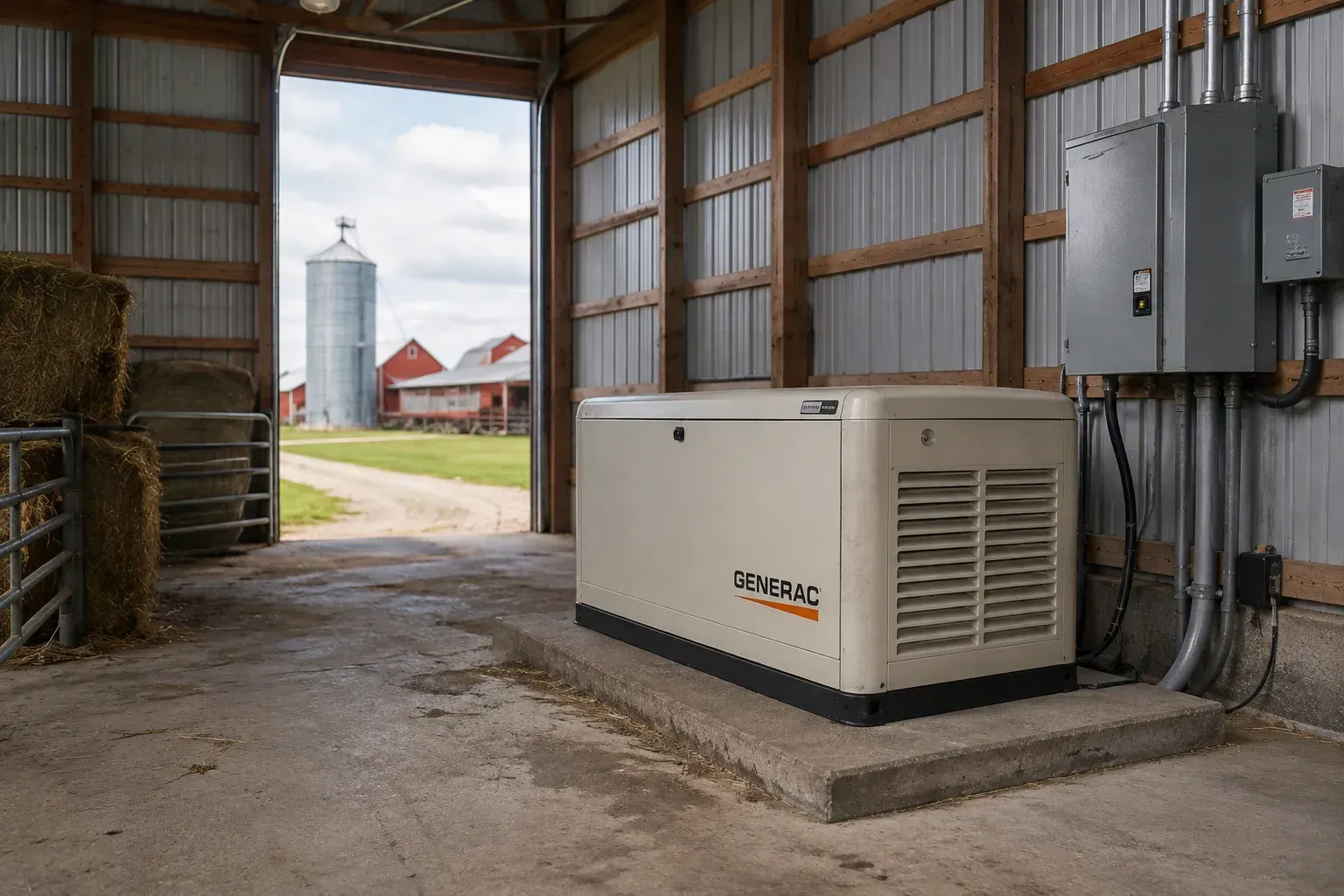
A backup generator can keep ventilation, water, and heat running during an outage. Sizing it to cover the systems animals depend on is the single most effective step for both seasons. Understanding how a generator works helps clarify what it can and cannot cover.
An Outage Plan Everyone Knows
A simple written plan, who checks the barns, in what order, and what to do first, saves critical time. In summer that may mean opening the building for airflow; in winter it may mean protecting young animals and water first.
Water Reserves and Freeze Protection
Storing water ahead of a storm and protecting lines from freezing reduces the winter water risk. Planning for higher water access in heat reduces the summer risk.
Monitoring and Alarms
Temperature and power-loss alarms that alert you early give you time to act before conditions become critical, which is especially valuable for fast-moving summer heat events.
Regular System Checks
Ventilation, heating, and backup equipment that is tested before the season is more likely to work when needed. A failure discovered during an outage is the worst time to find out.
Common Misunderstandings
"Winter is obviously the deadly season for animals." What is actually true: winter is a serious threat, but summer ventilation failures can harm confined animals faster. Treating winter as the only danger leaves summer underprepared.
"Ventilation is only a summer concern." What is actually true: enclosed barns need air exchange in winter too, to control moisture and ammonia. A winter ventilation failure creates its own health risks beyond cold alone.
"Animals can tough out a short outage." What is actually true: short outages are usually fine, but "short" is relative. On a hot day in confinement, even a brief ventilation loss can be serious, and the margin is smaller than it seems.
"Backup power is only worth it for large operations." What is actually true: the value of backup power scales with how dependent your animals are on powered systems, not just herd size. A small confinement operation can be highly exposed.
What Typical Online Advice Overlooks
General outage advice is usually written for households and misses the livestock-specific realities.
It treats seasons as interchangeable. Most content says "prepare for outages" without recognizing that summer and winter threaten animals through different mechanisms on different timelines. The preparation overlaps but is not identical.
It underestimates how fast heat acts in confinement. Simplified advice often frames heat as a slow, manageable problem. In a sealed, fan-dependent barn, lost ventilation on a hot day can escalate quickly, which generic guidance rarely conveys.
It ignores water as a compounding factor. Both seasons involve a water risk, freezing in winter and higher demand in summer, yet outage checklists frequently focus only on temperature.
It skips the "which animals" question. The real risk depends on age, species, and housing. Advice that gives one answer for all livestock misses that a farrowing room and a pasture herd face completely different outage exposures.
Conclusion
A power outage can threaten livestock in both winter and summer, and neither season is universally deadlier. Summer outages can act faster for confined animals when ventilation fails on a hot day, while winter outages build danger over hours through lost heat, frozen water, and poor air quality. The season that poses the greater risk to your farm is the one your animals and buildings are least prepared for.
That is why honest, farm-specific preparation matters more than ranking the seasons. Backup power for critical systems, a clear outage plan, water and freeze protection, and tested equipment all reduce risk in both seasons at once. Outages are difficult to predict, but the exposure they create is understandable, and most of it is manageable with sensible planning done before the weather turns.
Wondering If Your Barn Could Ride Out an Outage in Shorewood, WI?
If your animals depend on powered ventilation, heat, or water, it is worth understanding how an outage in either season would affect them before one happens. You are welcome to
reach out to Whit's Electric
with your questions about backup power and keeping critical farm systems running. A straightforward conversation about your buildings and animals can help you plan practical protections, with no pressure and no obligation.
Frequently Asked Questions
Is a winter or summer power outage more dangerous for livestock?
It depends on the animals and housing. Summer outages can harm confined animals faster when ventilation fails on a hot day, while winter outages build danger over hours through lost heat and frozen water. The riskier season is the one a farm is least prepared for.
How fast can heat harm animals during a summer outage?
In an enclosed, fan-dependent barn, temperatures can rise quickly once ventilation stops, and heat stress can become serious in a short time on a hot day. The exact window depends on species, density, and weather, so it should not be left to chance.
What is the biggest winter outage risk for livestock?
The main risks are loss of heat for young animals, frozen water sources, and buildup of moisture and ammonia when ventilation stops. Winter outages also tend to last longer, giving these risks more time to develop.
Do enclosed barns need ventilation during a winter outage?
Yes. Even in cold weather, enclosed barns need air exchange to control humidity and gases like ammonia. A ventilation failure in winter creates respiratory and moisture problems in addition to cold stress.
What is the most effective way to protect livestock during outages?
Backup power sized to run ventilation, water, and heat is the most effective single step, paired with a clear outage plan and tested equipment. Together these address both summer and winter risks before an outage occurs.
Related Posts