How to Choose the Right Generator for Your Farm
CONTACT US
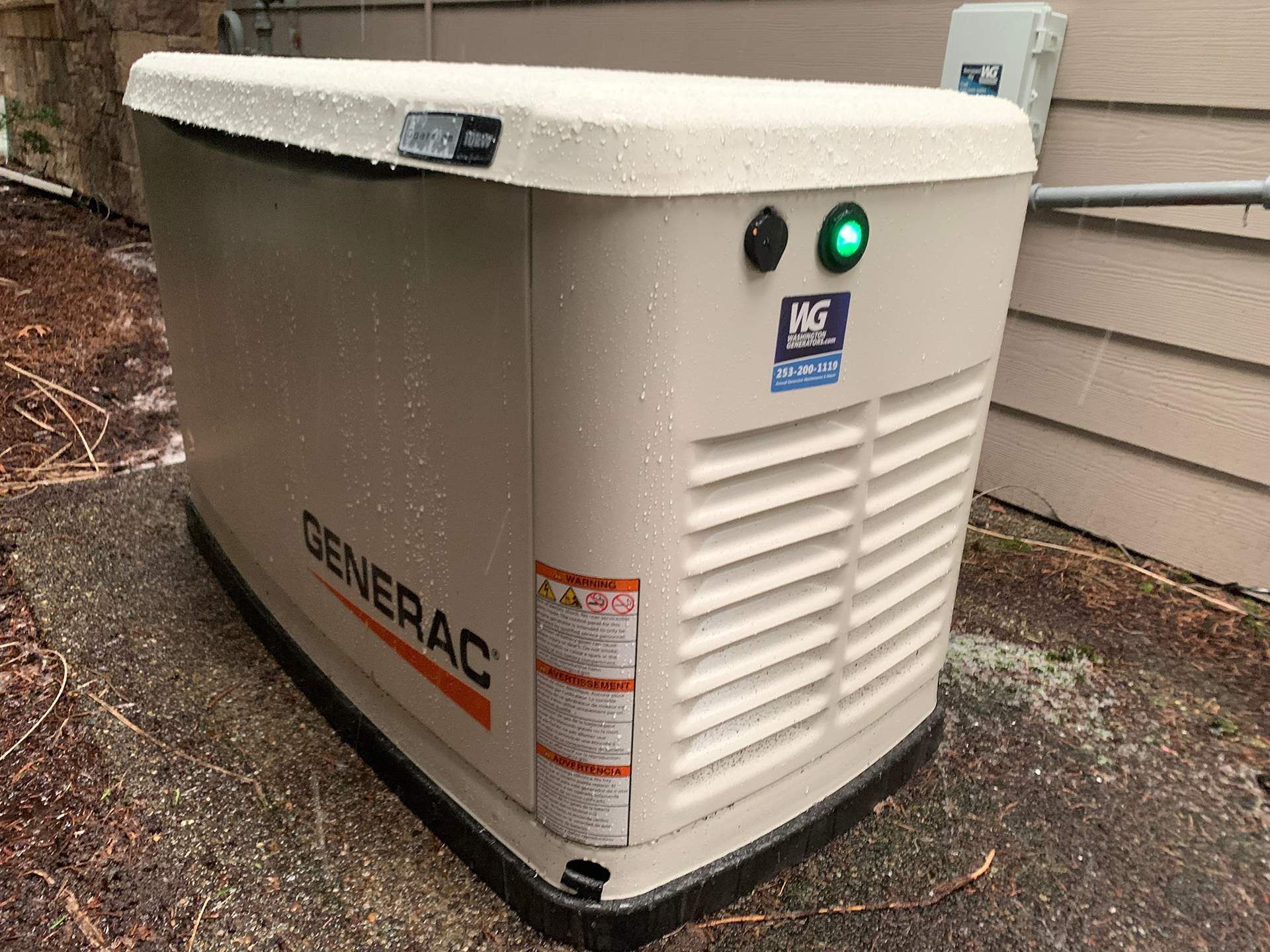
Table of Contents
- Introduction
- Start With One Question: What Can't Lose Power?
- Farm Generator Types, Explained Simply
- Which Fuel Should Power Your Farm Generator?
- Five Factors That Decide the Right Farm Generator
- Sizing and the Transfer Switch: The Parts People Skip
- Mistakes That Leave Farms in the Dark
- When to Bring in a Professional
- Conclusion
- Frequently Asked Questions
Key Takeaways
- A farm generator should be chosen around the loads you cannot afford to lose, not around the size of the property.
- Standby, portable, and PTO units each suit a different operation, and the gap between them is mostly about speed and convenience.
- Fuel choice shapes runtime and storage, so diesel, propane, and natural gas each fit different farms.
- Correct sizing and a properly matched transfer switch turn a generator into dependable backup power for farms.
- A professional assessment is the surest path to a unit that starts on cue and carries the load.
Introduction
The right farm generator is the one sized to carry your essential loads, fuelled in a way that suits your property, and ready to start the moment the grid fails. Our team at Whit's Electric helps growers near Harpers Ferry, IA match agricultural generators and electrical systems to how they actually farm, then back the choice with the right transfer switch so power reaches the circuits that matter.
Think of a generator as crop insurance you can plug in. You hope the storm never comes, but you sleep better knowing it is there. The steps below help you choose well the first time.
Start With One Question: What Can't Lose Power?
Before comparing models, ask which systems on your farm simply cannot go dark during an outage. That single answer shapes every decision that follows.
For most operations, the non-negotiables look like this:
- Ventilation and cooling fans that protect animal health when airflow stops.
- Milking equipment tied to a schedule that does not bend.
- Well pumps supplying water for livestock and washdown.
- Refrigeration and bulk tanks holding perishable product.
- Grain drying fans where stalled airflow invites spoilage.
- Heat lamps and brooders for young or vulnerable animals.
Northeast Iowa sees its share of storms and hard winters, so outages are a question of when, not if. Knowing your critical list keeps you from over-buying or, worse, under-buying. Ventilation usually tops that list, which is why our piece on agricultural ventilation equipment pairs naturally with this guide.
Farm Generator Types, Explained Simply
Most farm generators fall into three camps. The difference comes down to how fast and how automatically you want power back.
Standby Generators
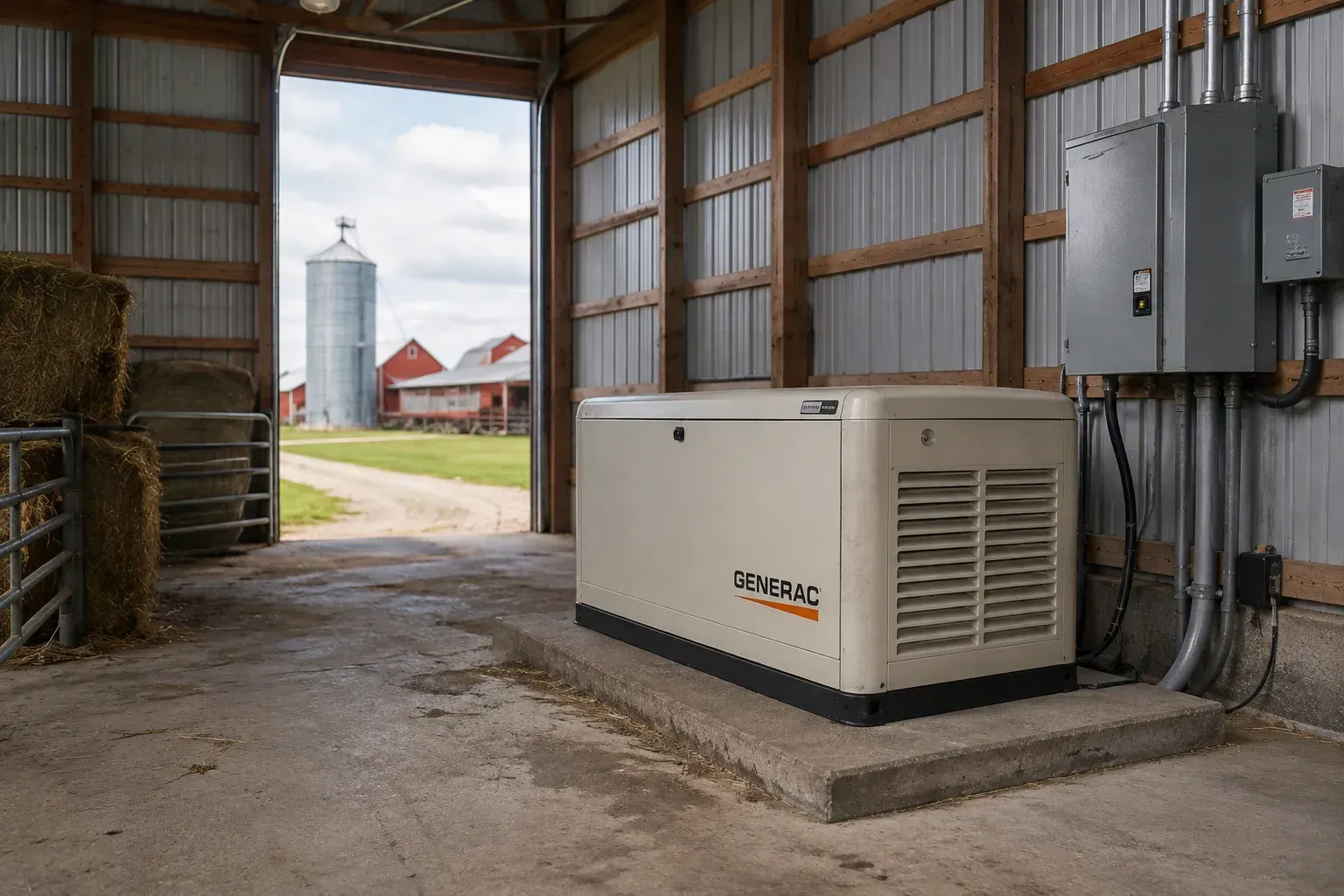
Permanently installed and wired into your system, a standby unit senses an outage and starts on its own, often within seconds. For livestock and dairy operations that cannot tolerate a gap, this automatic response is the headline feature. The Generac units we carry fall into this group.
Portable Generators
Smaller, cheaper, and started by hand, portables suit modest needs or outlying buildings. The trade-off is simple: someone has to be there to fuel and start them, which is a tall order during a midnight storm.
PTO Generators
A PTO generator borrows power from a tractor's power take-off shaft instead of carrying its own engine. If you already own a capable tractor, it is a budget friendly way to reach serious capacity, as long as you can spare the tractor while it runs.
Which Fuel Should Power Your Farm Generator?
Fuel is more than a footnote. It affects runtime, storage, and how ready your generator is on a cold morning.
- Diesel runs efficiently under heavy load and stands up to demanding work, which suits larger farms.
- Propane stores for long stretches without going stale, a real advantage for standby units that sit idle.
- Natural gas draws from a continuous line where one is available, so refuelling never enters the picture.
- Gasoline powers many portables but has a shorter storage life, so it needs rotating.
The best fuel is the one that matches your runtime needs and refuelling reality. A diesel unit is little comfort if you have no plan to keep diesel on hand through a three day outage.
Five Factors That Decide the Right Farm Generator
Once you know your critical loads, five factors do most of the deciding.
- Power capacity. The unit must comfortably handle your essential running loads plus the startup surge of your motors.
- Automation. Decide between hands-off standby starting and lower cost manual operation.
- Runtime. Match the generator and fuel supply to how long outages typically last in your area.
- Fuel access. Choose a fuel you can realistically store or supply on demand.
- Total cost. Weigh purchase, installation, fuel, and upkeep together, not the sticker price alone.
Capacity sits at the top of that list for good reason. Getting the size right is involved enough that we devoted a separate article to it: what size generator a farm needs walks through the calculation step by step.
Sizing and the Transfer Switch: The Parts People Skip
Two details quietly make or break a generator setup, and both get overlooked.
The first is sizing. A unit that looks powerful on paper can still stall if it cannot absorb the surge when several motors kick on at once. Sizing around both running and starting watts is what keeps the lights steady.
The second is the transfer switch, the device that isolates your wiring from the grid and routes generator power safely. Automatic switches pair with standby units for that seamless start, while manual switches keep portable setups affordable. Picking the right one takes some know-how, so our guide on choosing a transfer switch for a farm setup is worth a look. For permanent installs, our article on farm standby generator installation in Harpers Ferry, IA covers doing it safely.
Mistakes That Leave Farms in the Dark
The same avoidable errors come up time and again:
- Shopping on price first. A bargain unit that cannot carry the load is no saving at all.
- Forgetting the surge. Pumps, fans, and compressors demand far more power to start than to run.
- Ignoring fuel logistics. The right fuel type still needs a plan to keep it stocked.
- Treating the transfer switch as optional. Connecting without one is unsafe and can backfeed the grid.
- DIY installation. A poorly wired generator becomes a hazard rather than a help.
When to Bring in a Professional
A professional is worth involving once you are comparing specific models or planning a permanent setup. An experienced electrician can run a proper load assessment, confirm the size, suggest a suitable fuel, and handle the wiring and transfer switch to code.
That input carries the most weight for dairy and livestock farms, where a failed start is costly. The aim is simple and practical: a generator that fires up when needed, carries the loads that matter, and meets local requirements. A short conversation up front tends to save real money down the track.
Conclusion
Choosing a farm generator is mostly an exercise in matching, fitting the machine to your critical loads, your fuel reality, and the level of automation your operation calls for. Standby units lead on convenience, portables on price, and PTO units on making use of a tractor you already run.
Work through your essential loads, weigh the five factors, and treat sizing and the transfer switch as part of the decision rather than an afterthought. Do that, and you end up with backup power for farms that earns its keep the first time the grid blinks out.
Looking for Reliable Farm Generator Support in Harpers Ferry?
Trying to settle on the right generator for your operation? Our team at Whit's Electric has helped Northeast Iowa farmers choose, size, and install dependable backup power since 2005. We stock quality units and handle the electrical work that keeps them running safely. Reach out today to talk through your agricultural equipment and electrical service options and get advice shaped around your farm. Call (563) 419-8218 or message us through our contact page.
Frequently Asked Questions
How do we decide between a standby and a portable unit for our farm?
It hinges on speed and staffing. If critical livestock or dairy loads need instant, automatic backup, a standby suits us. If our needs are smaller and someone is always around, a portable can do the job for less.
Should our farm generator power everything or just the critical gear?
Either works. Sizing for essential circuits like ventilation, water, and refrigeration keeps cost down, while whole-property backup adds convenience. A load assessment shows us which fits our budget and risk.
Which fuel is most practical for a farm backup generator here in Iowa?
Diesel and propane are popular for efficiency and long storage life, and natural gas suits properties with a line. The right choice depends on our runtime, budget, and how easily we can keep fuel on hand.
Why is the transfer switch such a big deal for our generator?
It safely separates our wiring from the grid and sends power to the right circuits. Without one, we risk damaging equipment and backfeeding the lines, so it is essential rather than optional.
How do we keep our farm generator ready between outages?
Regular maintenance and a periodic test run help confirm it will start and carry the load. An annual check plus occasional self-tests catches small issues before they leave us without power.
Related Posts